




 Products
 Bars
Bars
 Beads & Spheres
 Bolts & Nuts
 Crucibles
 Discs
Discs
 Fibers & Fabrics
 Films
Films
 Flake
Flake
 Foams
Foams
 Foil
Foil
 Granules
 Honeycombs
 Ink
Ink
 Laminate
 Lumps
Lumps
 Meshes
 Metallised Film
 Plate
Plate
 Powders
 Rod
Rod
 Sheets
 Single Crystals
 Sputtering Target
 Tubes
Tubes
 Washer
 Wires
Wires
 Converters & Calculators
 Write for Us



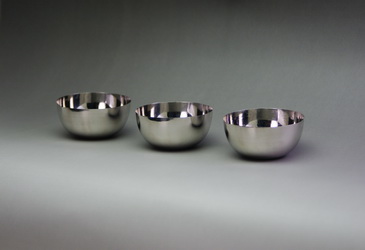
Top Crucibles for High-Temperature Laboratory and Industrial Uses
In laboratory and industrial settings, crucibles are essential tools for high-temperature processes such as melting, calcining, and sintering. These crucibles must be able to withstand extreme temperatures, resist corrosion, and maintain structural integrity under stress. We will discuss the most commonly used materials for high-temperature crucibles, their properties, and the industries that rely on them.
READ MORE >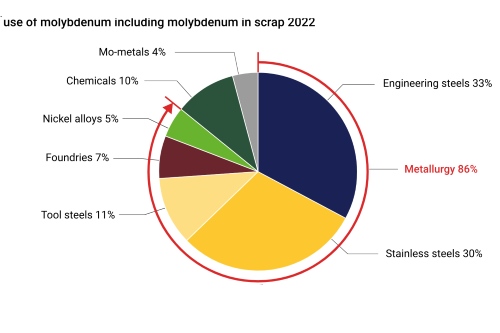
How Molybdenum Is Used in Alloying
Molybdenum is one of the most strategically important alloying elements in modern metallurgy. Although it accounts for a relatively small share of total alloy content by weight, its impact on mechanical strength, corrosion resistance, high-temperature stability, and microstructural control is disproportionately large. More than 80% of global molybdenum production is used in metal alloying, making it a cornerstone element for steels, cast irons, and nickel-based alloys across critical industries.
READ MORE >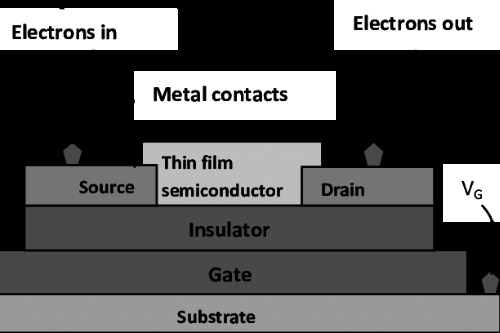
Top 4 Uses of Molybdenum in Electronics
Molybdenum is making significant strides in the electronics industry. From semiconductor devices to electronic packaging, molybdenum's unique properties offer undeniable benefits. Below lists the uses of Molybdenum electronic packaging, displays, vacuum electronic devices, and semiconductor components, showcasing the specific molybdenum products and compounds driving these innovations.
READ MORE >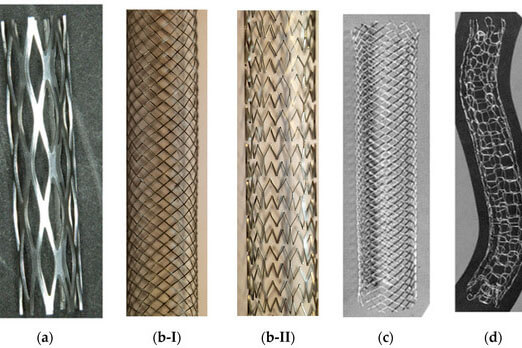
Advantages and Disadvantages of Marker Band Materials for Medical Uses
Various materials are employed for the production of marker bands, and the selection of the right material has a critical role in the success of the procedure. These are very important for the purpose of visibility during certain diagnostic procedures, including X-rays, MRI, or fluoroscopy. These help in the positioning of certain devices, especially in procedures like minimal invasive surgery. The Eassay below gives the pros and cons of different types of marker bands made of platinum-iridium, gold, platinum, tungsten, tantalum, and polymers.
READ MORE >
5 Iridium Applications in Electronics
Iridium is among the most scarce and expensive elements in the platinum family. It is known for incredible resistance to corrosion, high melting point, and catalytic properties. Such properties are responsible for the significant use of iridium in various high technology applications, especially in the electronic and electrochemical sectors.
READ MORE >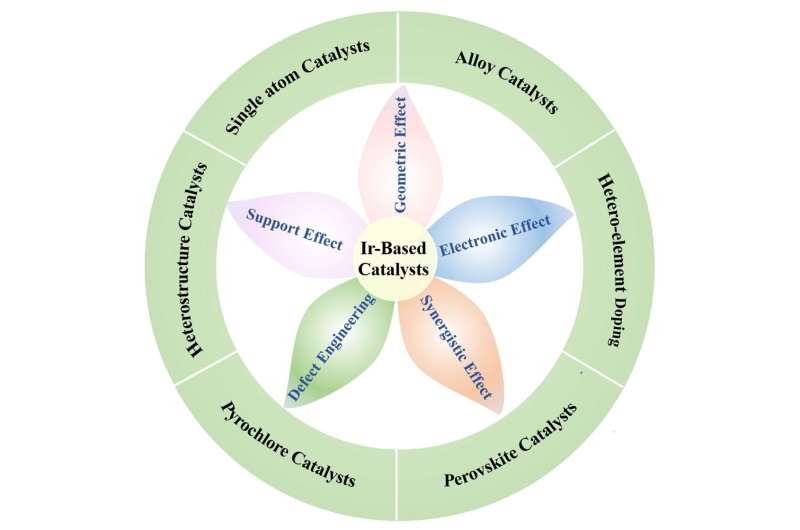
Top 5 Reactions Where Iridium Catalysis Shines
Behind many of today's advanced medicines, materials, and energy systems is iridium catalyst doing the heavy lifting. Known for its precision and durability, iridium helps chemists carry out reactions that would otherwise be slow or inefficient. Here are five examples of why iridium catalysis has become so important.
READ MORE >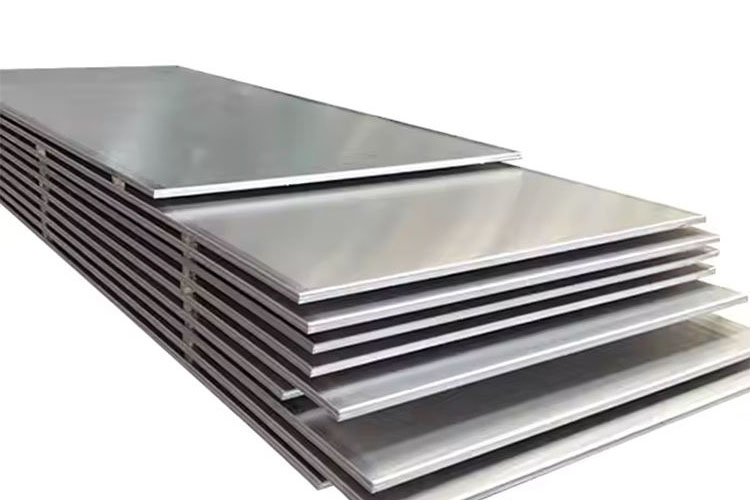
List of the Most Common Types of Stainless Steel
Amongst the most widely employed metal materials, stainless steel is in high demand for its distinct property of being non-corrosive, strong, and highly durable and aesthetically pleasing. Right from kitchen utensils to healthcare equipment and chemical industries to building construction, every application uses the material in vital ways.
READ MORE >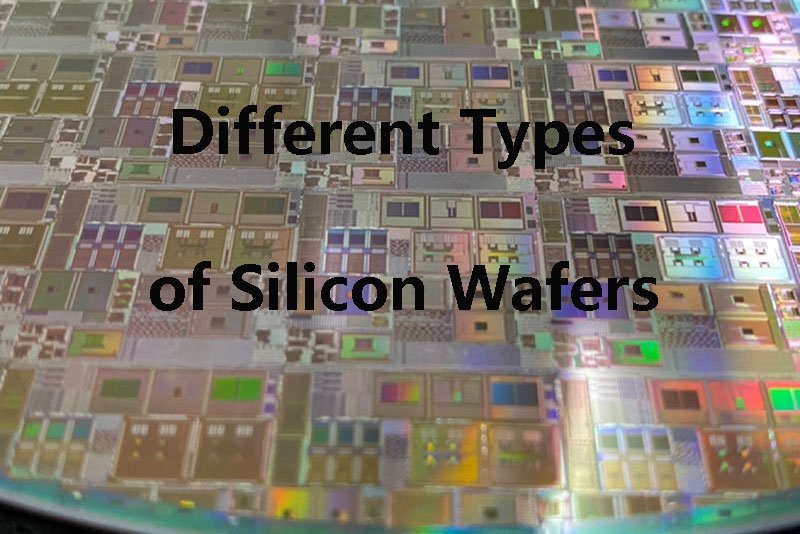
Different Types of Silicon Wafers
Many people have probably worked with silicon wafers without even noticing it. Anybody who has ever had a computer or a mobile phone has probably relied on silicon wafers before. As one of the main suppliers of silicon wafers on the market, Stanford Advanced Materials (SAM) gets asked questions like "What is a silicon wafer? Or "What kind of silicon wafer shall I purchase for this purpose?" All of these will be answered by this complete guide to silicon wafers.
READ MORE >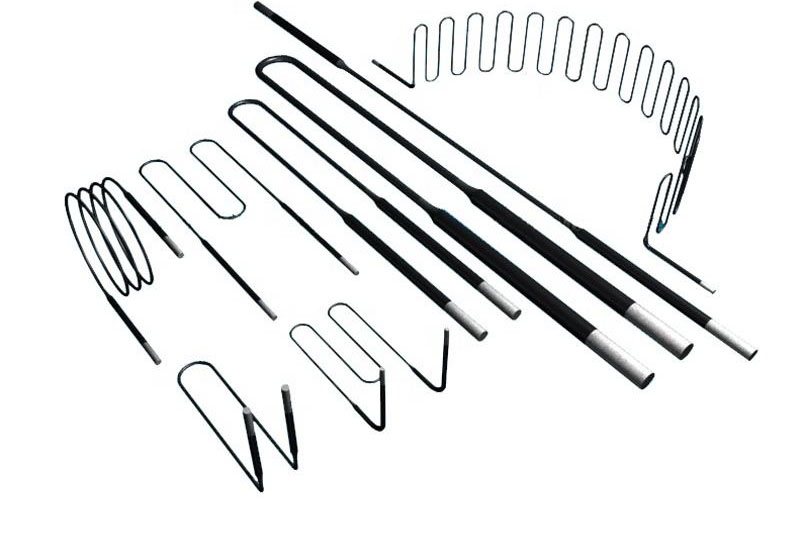
Various Heating Elements for High Temperature Uses
Heating elements form an integral part of high-temperature equipment and are widely employed in materials processing, semiconductor device fabrication, metallurgy, research labs, and various high-tech industries. Contemporary high-temperature reactors employ a number of diverse heating materials, each designed to operate under specific thermal, chemical, or mechanical conditions.
READ MORE >Go to Page



