




 Products
 Bars
Bars
 Beads & Spheres
 Bolts & Nuts
 Crucibles
 Discs
Discs
 Fibers & Fabrics
 Films
Films
 Flake
Flake
 Foams
Foams
 Foil
Foil
 Granules
 Honeycombs
 Ink
Ink
 Laminate
 Lumps
Lumps
 Meshes
 Metallised Film
 Plate
Plate
 Powders
 Rod
Rod
 Sheets
 Single Crystals
 Sputtering Target
 Tubes
Tubes
 Washer
 Wires
Wires
 Converters & Calculators
 Write for Us



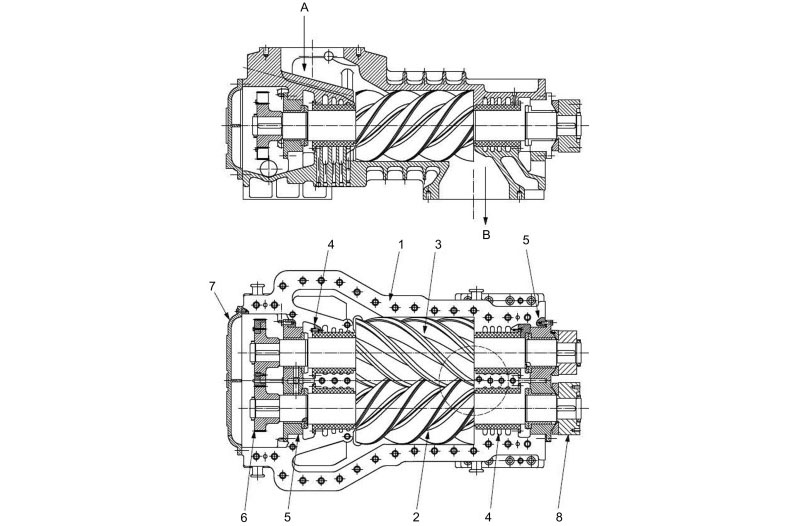
Tantalum Ingots in Corrosion-Resistant Gas Compressor Components
Material selection for the various components of gas compressors is important for durability, reliability, and efficiency over an extended period. In components subjected to attack by aggressive media, tantalum ingots have emerged as a premier choice because of their exceptional corrosion resistance, combined with high-temperature stability.
READ MORE >
Case Study: Niobium Mesh for Titanium Anodizing Basket
Stanford Advanced Materials is a reliable supplier of advanced materials and has been at the forefront of special product supply in an array of industries for many years. More recently, the company provided support to a high-technology manufacturing project for the production of a titanium anodizing basket; this special basket for titanium anodizing called for a custom-made solution using a special type of niobium mesh-a practical solution for the critical need in the titanium anodizing industry.
READ MORE >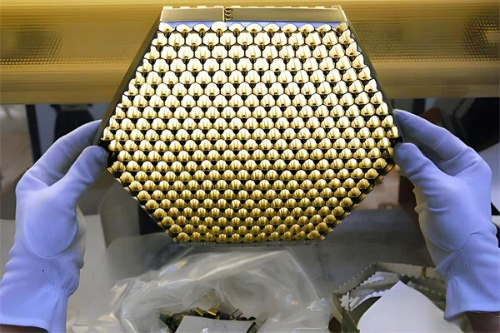
Better Pt, Pd, and Au Precious Metal Catalysts: Solving Performance Bottlenecks
This review systematically addresses the core performance limitations of three prominent precious metal catalysts—Pt, Pd, and Au—and examines advanced material design strategies devised to overcome these issues.
READ MORE >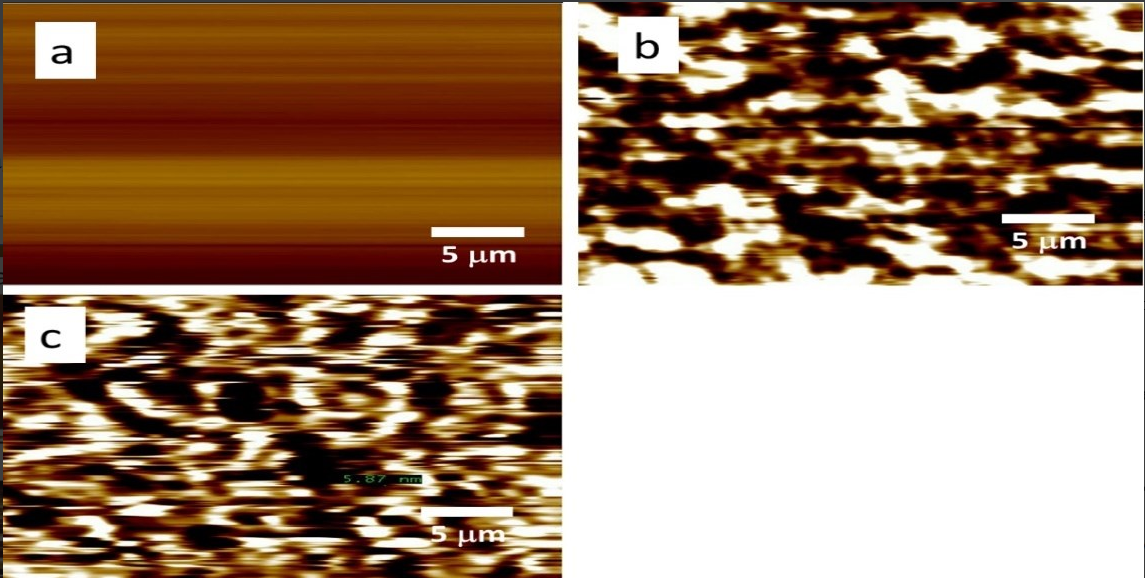
Temperature-Dependent Growth and Magnetic Characterization of FePt Thin Films for Advanced Data Storage Applications
Temperature-Dependent Growth and Magnetic Characterization of FePt Thin Films for Advanced Data Storage Applications
READ MORE >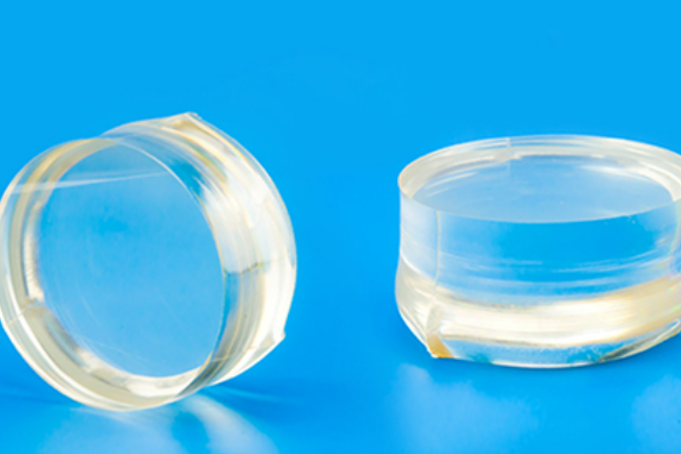
How Lithium Niobate Is Utilized for Refractive Index Measurement
Due to its exceptional electro-optic, piezoelectric, and nonlinear optical properties, lithium niobate possesses a vital application from wide-ranging telecommunications to research in photonics. Its most basic application among many is refractive index measurement—both as the target measurement object itself and as a tool for precision optical index measurement of other substances.
READ MORE >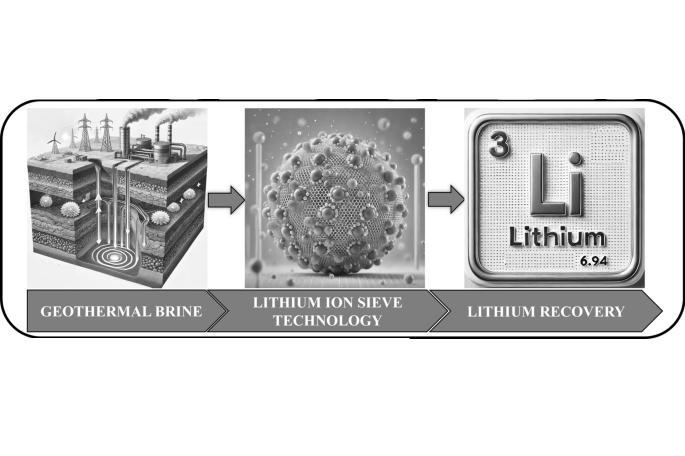
How to Apply TiO₂ Powders to Develop Lithium Adsorption Prototypes
Titanium compound powders, specifically Li₂TiO₃ and H₂TiO₃, are breaking open doors to future lithium adsorption technology. Their chemical stability, selectivity, and stable structures make them material with great potential for sustainable recovery and purification of lithium.
READ MORE >
How Temperature-Controlled Ovens Enable Quasi-Phase Matching in PPLN
Periodically Poled Lithium Niobate (PPLN) crystals are one of the cornerstones of today's nonlinear optics. The ability of these crystals to perform efficient wavelength conversion of light has unlocked the fields of laser advancements, telecom, quantum optics, and spectroscopy. Behind their functioning is a delicate process known as quasi-phase matching (QPM). Sustaining this regime and realizing it entails delicate control of the temperature, most commonly attained by employing temperature-controlled ovens.
READ MORE >
Case Study: Matching Particle Size to Performance in Silica Aerogel Powder
This case demonstrates how choosing the right aerogel powder—and the right partner—can make the difference between confusion and clarity, or between average and high-performing products.
READ MORE >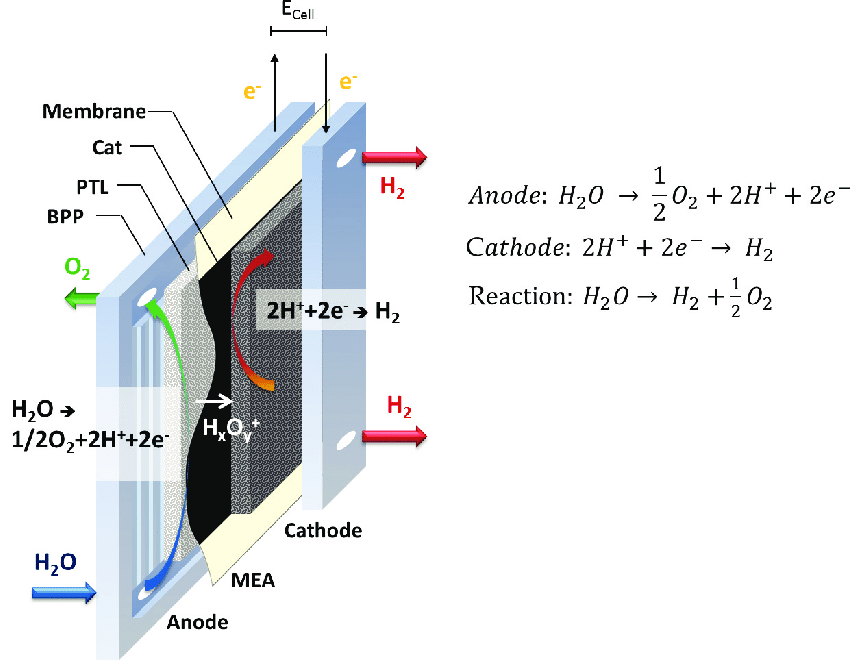
Case Study: Titanium Foam for PEM Water Electrolyzers
Stanford Advanced Materials (SAM), a trusted source of advanced materials and specialty metals, recently supported a university research project in the United States that required high-quality titanium foam as part of a PEM (Proton Exchange Membrane) water electrolyzer.
READ MORE >Go to Page



